From the Diary of Dawid Sierakowiak
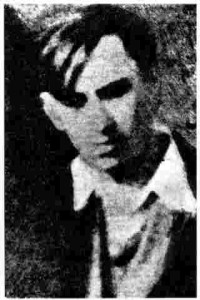
April 16, 1941. Lodz. On Wednesday an announcement was posted for the voluntary registration of men, eighteen to forty five, and women, twenty to thirty, for labour in Germany. On Saturday, all those who ever registered for labour but have not yet left began receiving notifications to report immediately for departure. Several thousand persons have left. They are probably lucky buggers with better chances of surviving the war than we in the ghetto. All the letters that arrive from those sent out for labour assure us about satiety there (“We can eat, eat, and eat again”), something that’s no longer experienced in the ghetto.
Footnote: The Nazis regularly claimed that deportations from the ghetto were to provide labour for camps in Germany and elsewhere. In most cases, the actual destination was Chelmno, in Poland’s Kolo County, where the deportees from Lodz were held in a small church in town, and then driven in vans that asphyxiated them on the way to a field in a nearby forest where the bodies were dumped and burned. The Nazis sought to avoid future resistance by compelling some deportees to write fictitious letters and postcards back to the ghetto before putting the Jews to death – a fate that many by then had realised they would be facing, if only by reading the words that others had scratched into the woodwork and altar of the church.
(from Five Notebooks from the Lodz Ghetto, editted by Alan Adelson, translated by Kamil Turowski. Bloomsbury 1996)
I read Dawid Sierakowiak’s diary regularly, and I’ll post something more extensive on his story later. But the reason I pasted today’s entry for 1941 is, two nights ago my ten year old asked me two questions: how do you split an atom? And, what is evil? It’s an interesting conjunction of questions out of which you could probably spin a dissertation on the status of, and belief in, reason, as an objective force in the world to which we should ally ourselves in the defence against evil. When I was my son’s age I had an uncritical assumption that evil is something radical and an entity in itself. But reading certain studies of those involved in perpetatrating evil has changed that opinion: Hannah Arendt’s study of Eichman, Robert Browning’s study of Reserve Police Battalion 101, and Gitta Sereny’s interviews with the former camp Kommandant of Treblinka, Franz Stangl. None of these evildoers were out of the ordinary. So the issue of how to explain the nature of evil is more complex and embedded in the misuse of one’s faculties of critical reflection and what an Existentialist might call Bad Faith, acts of ommision where one is in a position to act positively in a direction demanded by what it is right to do. I need to find a way not simply of explaining this to him, but also of illustrating the disturbing tendency of man to act as a herd animal who perceives truth as something decided by majority decision. According to Robert Browning, less than 10% of the middle aged police reservists who were sent to Poland to execute Jews in the wake of the Army’s push towards Russia opted out of commiting mass murder, even though there was little threat of punishment if they did choose to opt out. Awww, bless them: they just wanted to belong…
 FruitFly